
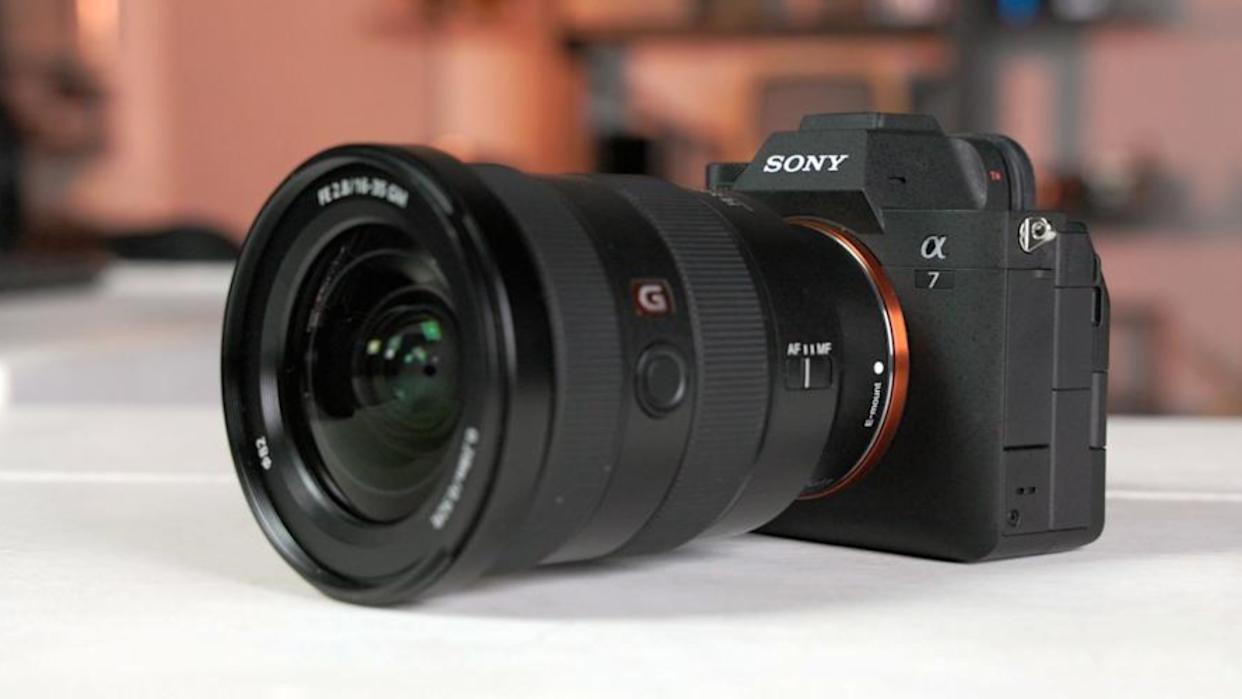
When Sony announced the new Sony A7 V, it immediately caught attention across the photography world. For years, the Sony A7 IV has been a favorite among hybrid shooters, offering powerful photo and video features at a competitive price. Now that the Sony a7 v is here, many users are asking the same question: Is it worth upgrading from the A7 IV?
In this deep-dive comparison from Deep Dive Picks, we break down everything you need to know—design, performance, video upgrades, autofocus, real-world handling, value, and more. Whether you're a hobbyist planning your next camera purchase or a semi-professional looking for better tools, this guide will help you make a confident decision.
Introducing the Sony A7 V
The Sony A7 V builds on Sony’s proven mirrorless lineup, offering improvements in speed, clarity, autofocus intelligence, and low-light performance. While the A7 IV is still a strong performer, the A7 V aims to push the boundaries for hybrid creators.
Sony A7 V vs A7 IV: Feature Comparison Overview
Before diving deeper, here’s a quick breakdown of how the two cameras compare:
- A7 V: Improved processor, better noise control, upgraded autofocus, deeper AI integration
- A7 IV: Strong hybrid camera, well-balanced features, still excellent for photography and video
- Price: A7 V expected to cost more, A7 IV becoming more affordable
- Audience: A7 V for professionals and enthusiasts; A7 IV for budget-conscious creators
Now let’s explore each section in detail.
Image Quality and Sensor Performance
Sony A7 V Image Quality Improvements
The Sony A7 V continues Sony’s legacy of high-resolution sensors, combining great dynamic range with strong sharpness and clarity. Its improved processor helps deliver:
- Better color accuracy
- Cleaner low-light results
- Faster image processing
- More consistent tonal depth
For example, when shooting a sunset landscape, the A7 V handles shadows more smoothly and maintains richer highlights compared to the A7 IV.
Sony A7 IV Image Quality
The Sony A7 IV already produces excellent images with great sharpness and detail. It shines in well-lit environments and offers reliable dynamic range. Many photographers still find it more than enough for paid work, weddings, travel, and portraits.
Real-Life Comparison
Think of the difference this way:If the Sony A7 IV is like a high-performance car, the Sony A7 V is the same car with a more powerful engine, upgraded fuel efficiency, and smarter driving features. Both work great, but the A7 V feels smoother and more capable under challenging conditions.
Autofocus: The Biggest Upgrade in the Sony A7 V
Sony A7 V Autofocus System
Autofocus is one of the major reasons photographers consider upgrading. The Sony A7 V uses next-gen AI-powered tracking that significantly improves:
- Eye AF for humans, animals, and birds
- Subject recognition accuracy
- Real-time tracking in unpredictable movement
- Low-light AF speed
During fast-action events—such as sports or wildlife—the A7 V locks onto subjects with remarkable precision. Even when a subject turns away or moves erratically, the A7 V continues tracking smoothly.
Sony A7 IV Autofocus Performance
The A7 IV autofocus is still powerful and more than enough for most photographers. It does well with portraits, everyday street shooting, and controlled environments. However, it doesn’t match the intelligence and speed of the A7 V during complex action.
Which Is Better?
If you shoot wildlife, sports, or visual storytelling with moving subjects, the A7 V delivers a more reliable and advanced AF experience.
Video Capabilities: Hybrid Shooters Need to Know This
Sony A7 V Video Upgrades
Video creators will appreciate the improvements Sony made to the A7 V:
- Better heat management for longer recording
- Reduced rolling shutter
- Cleaner 4K output
- Higher bitrate options
- Improved slow-motion quality
For example, if you're filming a travel vlog in 4K for long periods, the A7 V performs better and stays cooler compared to the A7 IV.
Sony A7 IV Video Performance
The A7 IV is still a strong video camera with 4K 60fps, good color science, and solid image stabilization. However, it may sometimes struggle with overheating in hot environments.
Real-Life Use Case
A filmmaker shooting weddings or interviews will benefit from the A7 V's extended recording capabilities, especially when capturing long speeches or full event coverage.
Design and Handling
Sony A7 V Body and Usability
The Sony A7 V includes small but meaningful upgrades:
- Better grip comfort
- Improved menu organization
- More customizable buttons
- Faster startup time
These upgrades may seem minor individually, but together they create a smoother shooting experience.
Sony A7 IV Handling
The A7 IV’s layout is familiar and ergonomic. It's still comfortable and intuitive for most shooters. But after handling the A7 V, many users report appreciating the refined changes in the newer model.
Battery Life and Storage
Sony A7 V Power Efficiency
The A7 V is built with a more efficient processor, leading to:
- Longer battery life
- Faster file writing
- Better power management during video
- Improved heat dissipation
This makes it ideal for outdoor travel photography, documentary work, or long studio sessions.
Sony A7 IV Battery and Storage
The A7 IV battery holds up well but drains faster during high-resolution shooting or video recording.
Price and Value: Should You Pay More for the A7 V?
Sony A7 V Price Positioning
Because it is newer, the A7 V is priced higher. This is expected from Sony’s flagship hybrid line. The question is whether the extra cost is justified.
Sony A7 IV Value
The A7 IV is still the best mid-range full-frame camera for many users. As prices drop, it becomes an even more attractive option.
Who Should Buy Which?
Choose the Sony A7 V if:
- You shoot fast action or wildlife
- You need the best autofocus Sony has
- You’re a hybrid shooter wanting long, reliable video recording
- You want the latest processor and future-proof features
Choose the Sony A7 IV if:
- You are on a budget
- You want a powerful all-around camera
- You don’t need the new AI-driven autofocus
- You shoot mainly portraits, landscapes, or casual video
Real-World Example Comparison
Case Study: A Travel Photographer
A travel photographer shooting landscapes, portraits, and city life may not fully use the advanced autofocus of the A7 V. The A7 IV could still be the smarter budget choice.
Case Study: A Sports or Wildlife Shooter
The Sony A7 V, with its lightning-fast tracking and improved low-light handling, would drastically improve performance.
Case Study: A YouTube Creator
If you record long-form content, talking-head videos, or vlogs in 4K, the A7 V’s heat control and better video functions make it more reliable.
Sony A7 V vs A7 IV: Final Verdict
The Sony A7 V is clearly the more advanced camera. It delivers meaningful improvements in autofocus, processing power, video performance, and overall responsiveness. For professionals and serious enthusiasts, the upgrade can be worth it—especially if you rely on fast, intelligent tracking or long video shoots.
However, the Sony A7 IV remains one of the best value full-frame cameras on the market. It is still powerful, reliable, and perfect for photographers who don’t need the latest features.
Whether the upgrade is worth it depends on your shooting style. If the new capabilities directly benefit your workflow, the Sony A7 V is a smart investment. If not, the Sony A7 IV remains a fantastic option. Click here to return to the homepage and unlock more content.
FAQs
Is the Sony A7 V worth the upgrade from the A7 IV?
If you shoot fast action, wildlife, or long video sessions, the Sony A7 V offers major improvements in autofocus and processing. For casual photography or everyday shooting, the A7 IV may still be enough.
Does the Sony A7 V have better autofocus than the A7 IV?
Yes. The Sony A7 V uses a new AI-driven autofocus system that is faster, smarter, and better at tracking subjects in difficult lighting or fast movement situations.
Which camera is better for video, the A7 V or A7 IV?
The Sony A7 V is better for video because it offers improved heat management, cleaner 4K footage, higher bitrates, and smoother slow motion. The A7 IV is good for video but can overheat in long recordings.