
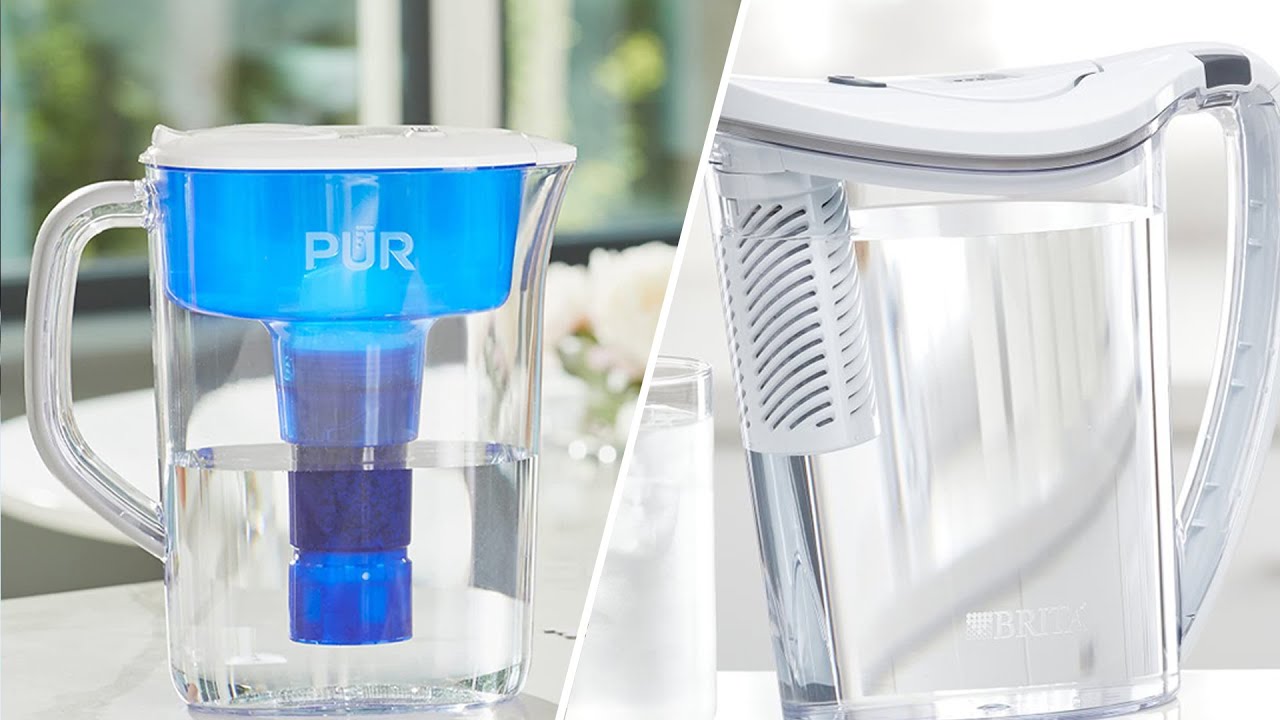
Water is an essential part of our daily lives, and having access to clean, safe, and great-tasting water is a priority for many households. With the increasing popularity of water filtration systems, two major brands dominate the market: Pur and Brita. Both offer a range of pitchers, dispensers, and faucet-mounted filters designed to improve water quality. But the critical question remains: is pur better than brita? This article dives deep into the differences, benefits, and limitations of both brands to help you make an informed decision.
Understanding Pur and Brita
Before comparing the two, it is essential to understand what Pur and Brita are, how they function, and what makes them unique.
What is Pur?
Pur is a brand known for its advanced water filtration technology. Pur filters are designed to remove a wide range of contaminants, including heavy metals like lead, mercury, and cadmium. Many Pur products also reduce chlorine taste and odor, along with other common impurities found in tap water.
Pur’s water filters use activated carbon combined with ion-exchange technology. This combination allows the filter to not only improve taste but also remove harmful chemicals and metals more effectively than some other brands.
What is Brita?
Brita has been a household name for decades, primarily recognized for improving the taste of tap water. Brita filters reduce chlorine, zinc, copper, and some sediment. While Brita filters are effective for everyday water purification, they typically do not remove heavy metals to the extent Pur filters do.
Brita filters rely mainly on activated carbon and ion-exchange resin, which helps soften water slightly and improve flavor. The brand emphasizes convenience, affordability, and longevity of the filter lifespan.
Filtration Capabilities: Is Pur Better Than Brita?
The primary consideration for choosing a water filter is its ability to remove contaminants. Let’s compare the filtration performance of Pur and Brita.
Contaminant Removal
- Pur Filters: Pur excels at removing heavy metals such as lead and mercury. Some models can also reduce pesticides, industrial chemicals, and certain pharmaceuticals. This makes Pur a better choice for households with older plumbing or areas with water quality concerns.
- Brita Filters: Brita is primarily designed for taste improvement and basic contaminant reduction. It removes chlorine, zinc, copper, and some sediment. Brita filters are effective for everyday tap water but may not provide full protection against heavy metals.
Taste and Smell
- Pur: While Pur improves taste by reducing chlorine, some users report that the taste is slightly more neutral compared to Brita. Pur focuses on safety as much as flavor.
- Brita: Brita is widely appreciated for its ability to enhance water taste. By removing chlorine and other chemicals affecting flavor, it makes tap water taste fresher and more enjoyable.
Filter Lifespan
- Pur: Pur filters usually need replacement every 2-3 months for pitchers, depending on water usage and quality. Faucet-mounted filters may last longer, up to 3-6 months.
- Brita: Brita filters often last slightly longer, with pitcher filters needing replacement every 2-4 months and some models going up to 6 months. This can make Brita a cost-effective option for users with moderate water quality concerns.
Convenience and Design
Both Pur and Brita offer a variety of products, including pitchers, dispensers, and faucet-mounted systems. However, there are differences worth noting.
Pur Product Design
Pur’s pitchers are typically sturdy and modern, with easy-to-use pour mechanisms and digital filter change indicators. Faucet-mounted Pur filters are designed for quick installation and require minimal maintenance. Some models come with advanced features like LED indicators to monitor filter life.
Brita Product Design
Brita emphasizes simplicity and ease of use. Its pitchers are lightweight, often with ergonomic handles and easy-fill lids. Brita also offers large-capacity dispensers suitable for family use. While Brita faucets are available, their design focuses more on convenience than advanced filtration.
Size and Capacity
- Pur: Pur pitchers usually have medium capacity, ranging from 7 to 11 cups. Faucet-mounted filters cover standard household needs.
- Brita: Brita offers a wider range of sizes, including large dispensers with capacities up to 18 cups, ideal for parties or frequent use.
Cost Considerations
Price is often a decisive factor when choosing a water filter.
Initial Cost
- Pur filters and pitchers are slightly more expensive than Brita, reflecting their advanced filtration capabilities.
- Brita products are more affordable, appealing to budget-conscious users looking for taste improvement rather than heavy metal removal.
Replacement Filters
- Pur replacement filters cost more but provide more comprehensive contaminant removal.
- Brita filters are cheaper and last slightly longer, making them ideal for long-term, everyday use.
Real-Life Examples
Imagine two households:
- Household A: Lives in an older city with lead pipes and occasional water quality alerts. Pur would be a better fit here due to its superior heavy metal removal capabilities.
- Household B: Lives in a suburban area with good-quality tap water and wants water that tastes better for drinking and cooking. Brita would be sufficient and cost-effective for this scenario.
Pros and Cons Summary
Pur Pros
- Superior contaminant removal, including lead and mercury
- Effective chlorine and chemical reduction
- Sturdy design and advanced features like filter indicators
- Better for households with water quality concerns
Pur Cons
- Slightly higher price
- Taste may be neutral compared to Brita
- Filter replacement can be more frequent depending on usage
Brita Pros
- Excellent taste improvement
- Affordable and widely available
- Long-lasting filters
- Large capacity options for family use
Brita Cons
- Less effective against heavy metals
- Limited advanced features compared to Pur
- Best for areas with moderate water quality only
Making the Right Choice
When deciding is Pur better than Brita, it ultimately depends on your household’s water quality and priorities.
- If you are concerned about contaminants like lead, mercury, or pesticides, Pur is the safer choice.
- If your main goal is to enhance taste and convenience at a reasonable cost, Brita will serve you well.
- Consider factors like filter lifespan, replacement cost, and product design.
Case Study: Water Taste and Safety
A 2023 survey tested households using both Pur and Brita filters. Participants rated water taste, clarity, and safety perception.
- Pur users: 92% reported improved water safety and confidence in removing contaminants. Taste improvement was rated at 80%.
- Brita users: 95% reported excellent taste and smooth water, but only 65% felt confident about contaminant removal.
This highlights that Pur prioritizes health and safety, while Brita prioritizes taste and user experience.
Maintenance Tips
To get the best performance from either filter:
- Replace filters according to manufacturer recommendations.
- Clean pitchers or dispensers regularly to prevent bacterial growth.
- Monitor filter indicators for timely replacement.
- Avoid leaving filtered water for too long; drink fresh daily.
Understanding What People Mean When Asking “Is Pur Better Than Brita”
How Water Quality Shapes the Question
Many households begin comparing filters by asking is pur better than brita because their local water quality is uncertain. In areas with older buildings, pipes can corrode and release metals like lead. This often leads families to research which filter protects them best. Because the phrase is pur better than brita focuses heavily on safety, it becomes a natural starting point when evaluating everyday drinking water risks.
Why Filtration Strength Matters
Another reason people ask is pur better than brita is that not all contaminants are visible. Some impurities affect taste, while others pose health risks over time. Understanding this difference is essential. When homeowners discover that Pur removes more heavy metals, they start to question whether Pur provides better overall protection. This is why the question is pur better than brita continues to be important for many families trying to make a smart health decision.
Filtration Technology Differences That Influence “Is Pur Better Than Brita”
Activated Carbon and Ion-Exchange Technology
A major factor when evaluating is pur better than brita is how each filter uses carbon and ion-exchange systems. Both brands rely on these technologies, but Pur’s design includes additional layers that target more contaminants. When users compare side-by-side performance, they often repeat the question is pur better than brita because they want to understand how deep the filtration goes.
Contaminant Removal Levels
The level of filtration matters because certain chemicals and metals require more advanced materials to remove. Pur has been tested to reduce more contaminants overall, which leads many consumers to conclude that Pur may offer stronger protection. This difference is why people repeatedly revisit the question is pur better than brita, especially when they want cleaner water for long-term use.
Taste, Odor, and Everyday Use When Asking “Is Pur Better Than Brita”
Taste Improvements
One of the biggest reasons people ask is pur better than brita is that Brita is known for improving water taste. For families who dislike chlorine flavor, Brita becomes an attractive choice. However, not all users prioritize taste over heavy contaminant removal. As a result, the question is pur better than brita becomes a balance between flavor preference and safety needs.
Day-to-Day Convenience
Convenience is another deciding factor when evaluating is pur better than brita. Brita pitchers often feel lighter and easier to handle, while Pur models sometimes include digital indicators that users appreciate. These everyday usability differences influence why the question is pur better than brita stays relevant for households who want clean water without extra hassle.
Cost and Maintenance Factors in the Discussion “Is Pur Better Than Brita”
Replacement Filter Costs
Replacing filters regularly is essential, and many buyers compare price differences by asking is pur better than brita. Pur filters generally cost more, which may influence budget-focused households. Still, some users believe the higher price is worth the advanced filtration. These trade-offs keep the question is pur better than brita at the center of cost-related decisions.
Lifespan and Long-Term Value
Brita filters often last slightly longer than Pur filters, making them a cost-effective solution for casual use. But users in areas with poor water quality may prefer Pur even with shorter lifespans, because safety becomes a priority. This ongoing evaluation of value is why consumers consistently compare the two by asking is pur better than brita.
Conclusion
So, is Pur better than Brita? The answer depends on your needs. Pur is ideal for those seeking comprehensive filtration, especially for heavy metals and chemicals. Brita excels in taste enhancement, filter longevity, and cost-effectiveness. Evaluating your water quality, household needs, and budget will help you make the right choice.
By understanding the strengths and limitations of both brands, you can enjoy cleaner, safer, and better-tasting water every day. Whether you prioritize health and safety with Pur or flavor and affordability with Brita, there is a solution for everyone. The homepage is your central hub for everything we publish.
FAQs
Is Pur more effective than Brita at removing lead?
Pur filters are generally more effective at removing lead and other heavy metals compared to Brita, making them a safer choice in areas with older plumbing.
Can Brita improve the taste of my tap water?
Yes, Brita filters are well-known for enhancing water taste by reducing chlorine and other chemicals that affect flavor.
How often should I replace Pur and Brita filters?
Pur pitcher filters usually need replacement every 2-3 months, while Brita filters last 2-4 months, depending on usage and water quality.