Understanding Concrete Cleaning Techniques
Concrete surfaces, whether they're driveways, patios, or sidewalks, are susceptible to the accumulation of dirt, grime, and various stains over time. Maintaining their cleanliness not only enhances the aesthetic appeal of your property but also prolongs the lifespan of the concrete itself. In Kissimmee, FL, where humidity can exacerbate mold and algae growth, regular concrete cleaning is essential. To achieve the best results, it's important to understand the various techniques and methods available for effective concrete cleaning, including why hiring professionals can make a significant difference. For more guidance on concrete cleaning, let's explore the subject in depth.
What is Concrete Cleaning?
Concrete cleaning refers to the process of removing dirt, stains, and contaminants from concrete surfaces. This can include anything from food and beverage spills to oil stains and biological growth such as mold and mildew. The cleaning process not only improves the surface's visual appeal but also prevents deterioration caused by contaminants that can penetrate the concrete over time.
Common Methods for Effective Concrete Cleaning
There are several methods for cleaning concrete, each suited for different types of stains and surface conditions. These include:
- Pressure Washing: This is one of the most effective methods for cleaning concrete. High-pressure water jets can easily remove dirt, mold, and oil. It's ideal for outdoor surfaces where heavy staining occurs.
- Chemicals and Cleaners: Various cleaning agents, such as degreasers or specialized concrete cleaners, can be used in conjunction with pressure washing or for manual scrubbing. These products help break down stubborn stains and contaminants.
- Steam Cleaning: For areas sensitive to pressure washing, such as decorative concrete, steam cleaning is a gentle yet effective alternative. It uses high-temperature steam to sanitize and clean without damaging the surface.
- Scrubbing: For smaller areas or delicate surfaces, manual scrubbing with a brush and appropriate cleaners can effectively remove dirt and stains without the need for heavy machinery.
Benefits of Professional Concrete Cleaning Services
While many homeowners may attempt DIY concrete cleaning, hiring professionals often yields superior results. Here are some reasons to consider professional services:
- Expertise and Experience: Professionals possess the knowledge and experience to identify the best cleaning method for your specific type of concrete and the stains affecting it.
- Safety: High-pressure cleaning can be dangerous if mishandled. Professionals are trained to safely operate equipment and minimize risks.
- Time-Saving: The process can be time-consuming, especially for large areas. Professionals can efficiently complete the job, allowing you to focus on other priorities.
- Long-Term Protection: Professional cleaners often apply sealants after cleaning, protecting your concrete from future staining and degradation.
Choosing the Right Equipment for Concrete Cleaning
Essential Tools for Homeowners
If you’re considering a DIY approach to concrete cleaning, having the right tools is crucial. Here are some essential pieces of equipment:
- Pressure Washer: A residential pressure washer can effectively remove grime and stains. Look for models with adjustable pressure settings to avoid damaging the surface.
- Concrete Cleaner: Use a high-quality concrete cleaning solution that is compatible with your equipment. Ensure it's effective against the specific stains you're targeting.
- Scrub Brushes: For small jobs or touch-ups, a good scrub brush can help remove stains without needing heavy equipment.
- PPE (Personal Protective Equipment): Always wear safety goggles, gloves, and appropriate clothing to protect yourself from chemicals and debris.
Professional Equipment Struggles and Solutions
Professionals often utilize specialized equipment that goes beyond residential tools. This includes:
- Commercial Pressure Washers: These machines have higher power and capacity, making them suitable for larger projects or tougher stains.
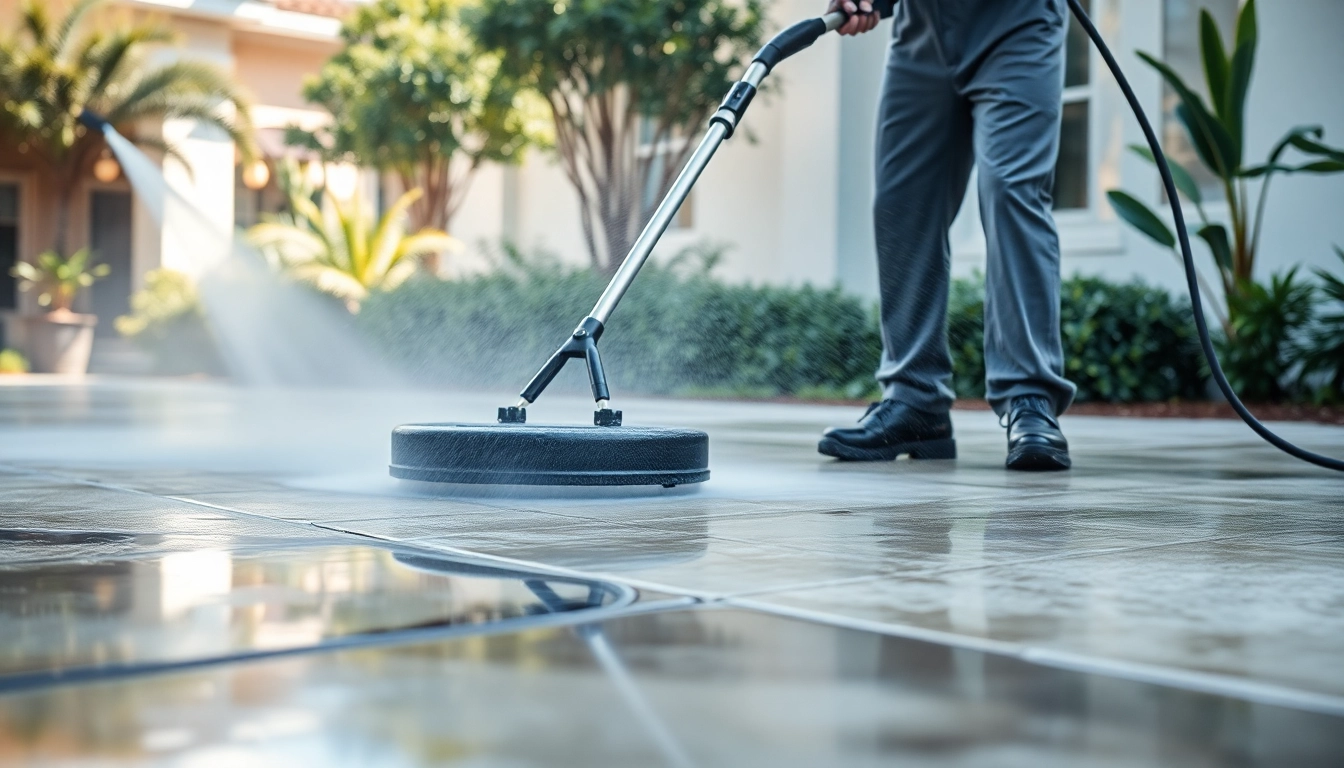
- Surface Cleaners: These attachments for pressure washers help evenly clean large flat areas like driveways, avoiding streaks that can occur with regular wands.
- Water Reclamation Systems: Many professionals utilize systems that allow them to reclaim and treat wastewater, greatly reducing environmental impact.
Environmental Considerations in Equipment Use
When choosing cleaning methods, consider their environmental impact. Eco-friendly cleaning agents minimize pollution and are safer for plants and animals. Additionally, using water reclamation systems helps conserve water and prevents runoff contamination. Opting for biodegradable cleaners not only ensures effective cleaning but also reflects a commitment to sustainability.
Steps to Effective Concrete Cleaning
Preparation: Assessing Your Concrete Surfaces
Before beginning the cleaning process, assessing the condition of your concrete is essential. Look for:
- Cracks or chips that may need repair before cleaning.
- Areas with heavy staining or growth that may require different cleaning approaches.
- Surface type, as decorative concrete may require gentler cleaning techniques.
Cleaning Process: Step-by-Step Guide
Here are the steps to conduct an effective concrete cleaning:
- Clear the Area: Remove any furniture, plants, or obstacles from the concrete surface. This ensures you have a clear space to work.
- Apply Cleaner: If using a chemical cleaner, apply it liberally using a sprayer or roller. Allow it to sit for the recommended time for optimum stain removal.
- Pressure Wash: Use a pressure washer to clean the surface, moving in a straight line to ensure even coverage and prevent streaking.
- Rinse Thoroughly: Ensure all cleaning agents and dirt are rinsed away. Leaving residue can lead to discoloration.
- Seal the Surface: Once dry, applying a concrete sealant can provide a protective layer against future staining.
Post-Cleaning Care: Sealing and Protection
After cleaning, protecting your concrete ensures longevity. Sealing your concrete can prevent stains and degradation from the elements or spills. Reapply sealant every one to three years, depending on the exposure and traffic your concrete experiences.
Frequently Asked Questions About Concrete Cleaning
Is Pressure Washing Safe for Concrete?
Yes, pressure washing is safe for concrete surfaces when done correctly. However, using too high a pressure can damage the surface or cause erosion, particularly on older or decorative concrete finishes.
How Often Should Concrete Be Cleaned?
It is generally recommended to clean concrete surfaces at least once a year. High-traffic areas or surfaces exposed to harsh conditions may require more frequent cleaning.
Can I DIY Concrete Cleaning Effectively?
While DIY concrete cleaning is possible, it's essential to understand the processes and equipment involved. For larger or more stained areas, hiring professionals may offer better results and save you time.
Future Trends in Concrete Cleaning for 2025 and Beyond
Innovations in Cleaning Solutions and Technology
The landscape of concrete cleaning is evolving, with emerging technologies streamlining the process. Innovations include:
- Advanced Pressure Washing Technology: Automated pressure washers equipped with sensors that adjust pressure and cleaning methods based on surface conditions are becoming more common.
- Eco-Friendly Cleaning Solutions: As awareness of environmental issues grows, demand for green cleaning products is on the rise, prompting manufacturers to create more environmentally responsible options.
Emerging Eco-Friendly Practices
In addition to new cleaning products, the industry sees a push towards more sustainable practices. This includes using energy-efficient equipment and reducing water usage through recycling and safe disposal practices.
Consumer Preferences and Their Impact on Services
As consumers become more eco-conscious, their preferences are shaping the services offered by cleaning companies. Services that highlight eco-friendliness, safety, and efficiency are likely to dominate the market moving forward.