
How Sports Broadcasting Shapes the Entertainment Landscape
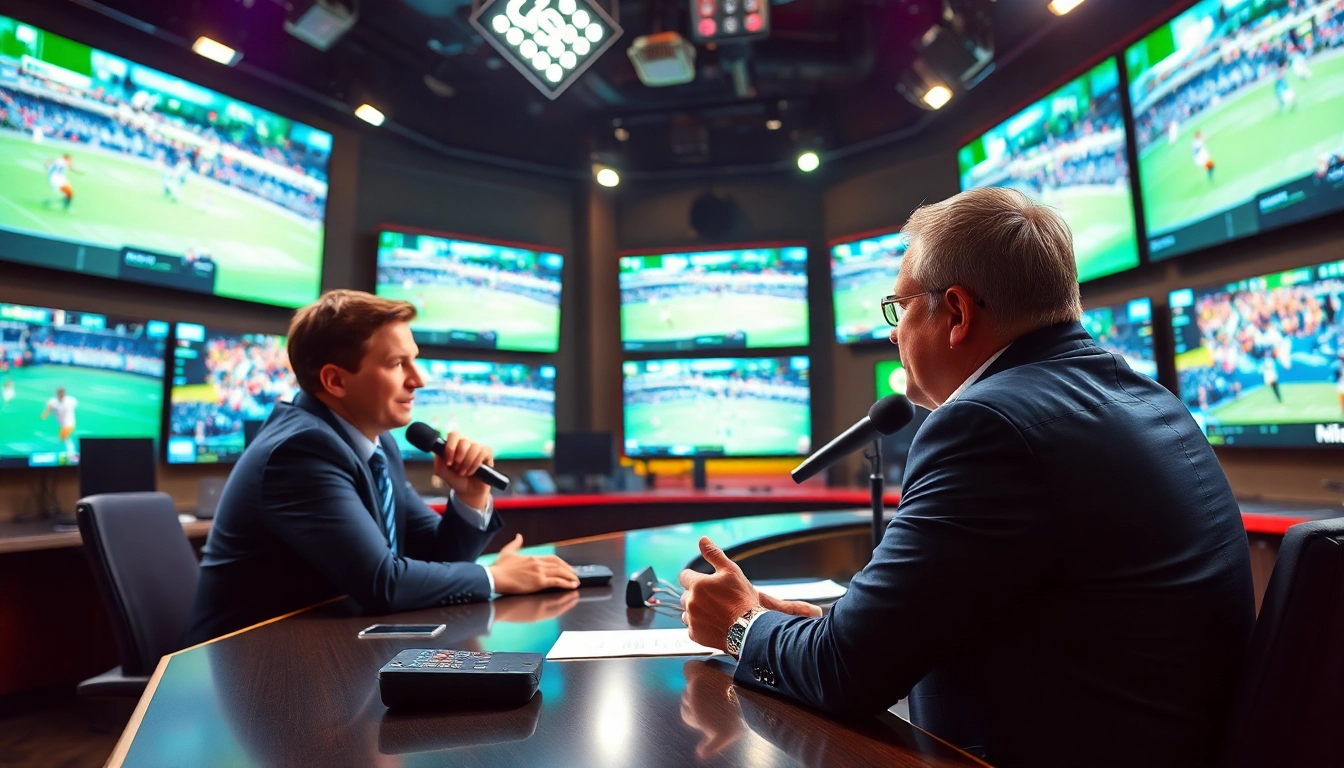
Understanding the Basics of Sports Broadcasting
What is Sports Broadcasting?
Sports broadcasting refers to the live or recorded transmission of sports events to an audience, typically via television, radio, or digital media. This field encompasses a vast range of formats from local radio broadcasts to global televised events like the Super Bowl or World Cup. The process involves not only delivering live commentary but also providing analysis and insights that enhance viewers’ experiences. With the rise of digital platforms, the landscape of Sports Broadcasting has expanded, allowing audiences to engage with content in multiple formats. For a thorough exploration of Sports Broadcasting, visit Sports Broadcasting.
Key Components of Sports Broadcasting
The key components of sports broadcasting include the production team, the broadcasting technology, and the distribution platform. The production team comprises directors, camera operators, and commentators who work collaboratively to create engaging content. Broadcasting technology involves the equipment used for filming, recording, and streaming events, which can greatly influence the output quality. Finally, distribution platforms determine how content reaches the audience—whether through cable networks, satellite, or online streaming services.
The Evolution of Sports Broadcasting
Sports broadcasting has undergone significant transformation since its inception. In the early days, radio was the primary medium for broadcasting live games; however, the introduction of television revolutionized the industry. Over the years, advancements in technology have introduced high-definition broadcasting, instant replay, and various enhancements like graphics and data overlays. The emergence of the internet has further shifted the paradigm, making live streaming a prevalent option. As we progress, new technologies such as 5G and cloud gaming promise to reshape how audiences consume sports, providing ever-more immersive experiences.
The Role of Technology in Sports Broadcasting
Virtual and Augmented Reality in Sports Broadcasting
Virtual reality (VR) and augmented reality (AR) are poised to redefine sports broadcasting by creating immersive viewing experiences. VR allows fans to feel as if they are present at the event, while AR enhances the broadcast by overlaying statistics and insights in real-time—for example, showing player stats on screen during live games. These technologies foster stronger connections between viewers and the event, making for a more engaging experience that may attract younger audiences.
Live Streaming Trends
Live streaming has emerged as a cornerstone of modern sports broadcasting, allowing fans to watch events on various devices, including smartphones and tablets. This trend is driven by the increasing demand for on-demand content and the ability for viewers to access content from anywhere at any time. Social media platforms and specialized streaming services have also contributed to this trend, providing flexibility and fostering new forms of fan engagement, like interactive commentary and real-time chats.
Data Analytics in Sports Coverage
Data analytics play a crucial role in enhancing sports coverage. Broadcasters utilize advanced analytics to provide insights into player performance, game statistics, and fan engagement trends. This data aids commentators and analysts in delivering nuanced breakdowns of plays and player strategies, making broadcasts more informative and engaging. Additionally, comprehensively analyzing viewer preferences assists networks in tailoring content to maximize audience engagement.
How to Get Started in Sports Broadcasting
Educational Pathways and Training
Embarking on a career in sports broadcasting typically requires a solid educational foundation. Many professionals pursue degrees in journalism, communications, or media studies. Specialized programs focusing on sports reporting and broadcasting can provide valuable insights and skills. Additionally, hands-on training in audio-visual technology and real-world experience through internships can significantly enhance employability.
Essential Skills for Aspiring Broadcasters
Successful sports broadcasters must possess a range of skills, including strong communication abilities, on-air presence, and an in-depth understanding of various sports. They should also be proficient in using broadcasting equipment and editing software. Familiarity with social media platforms is imperative in today’s digital landscape, as broadcasters often extend their reach and engagement through these channels. Networking and relationship-building skills also play a fundamental role in career advancement.
Building Your Portfolio
Creating a strong portfolio is vital for aspiring sports broadcasters. This can include samples of on-air work, written articles, video reports, and any other media-related experience. Engaging in community radio or local television programs can provide valuable experience and help build a professional network. Actively participating in sports-related projects, whether through school organizations or internships, further strengthens a broadcaster’s portfolio, showcasing essential skills and dedication to the field.
Best Practices for Engaging Audiences in Sports Broadcasting
Crafting Compelling Narratives
The most effective sports broadcasts often weave a compelling narrative that captures viewer interest. Broadcasters should aim to tell a story that extends beyond mere scores, focusing on player backgrounds, rivalries, and historical contexts. By doing so, they create an emotional investment that enhances the overall viewing experience, encouraging viewers to return for future broadcasts.
Utilizing Social Media for Engagement
Social media has transformed how audiences engage with sports content. Broadcasters need to leverage platforms like Twitter, Instagram, and TikTok to connect with fans, share highlights, and promote upcoming events. Engagement through interactive polls, Q&A sessions, and live chats can foster a sense of community and turn casual viewers into dedicated fans. This interaction enhances the broadcasting experience and solidifies the broadcasters’ presence in the sports community.
Incorporating Viewer Feedback
Actively incorporating viewer feedback can significantly improve broadcasting quality. Broadcasters should monitor comments on social media, conduct surveys, and engage with audiences to understand their preferences and concerns. This feedback loop not only helps in enhancing content but also builds a loyal viewer base, as audiences feel their opinions are valued and reflected in the programming.
Measuring Success in Sports Broadcasting
Key Performance Indicators (KPIs) to Monitor
To assess the effectiveness of sports broadcasting, it is essential to monitor key performance indicators (KPIs). These can include viewership ratings, audience retention rates, and engagement metrics (such as social media interactions). Understanding these metrics helps broadcasters identify successful strategies and areas needing improvement, ensuring that content continues to resonate with audiences.
Understanding Audience Metrics
Grasping audience metrics goes beyond mere numbers; it includes understanding audience demographics, viewing habits, and preferences. This data is invaluable for tailoring content and advertising strategies, ensuring that programming aligns with viewer interests. By analyzing patterns and trends in audience metrics, broadcasters can predict future content that resonates with their target demographic.
Adapting Strategies Based on Data
The ability to adapt broadcasting strategies based on data-driven insights is critical in the ever-evolving landscape of sports broadcasting. Broadcasters should regularly analyze data trends to pivot content direction, experiment with new formats, or shift the focus based on audience feedback. Flexibility and responsiveness to data ensure that broadcasts stay relevant and continue to attract viewers in a competitive market.
Frequently Asked Questions
What qualifications do I need for a career in sports broadcasting?
A degree in journalism, media studies, or communications is beneficial, along with practical experience in broadcasting, writing, or multimedia production.
How important is technology in sports broadcasting?
Technology plays a vital role in sports broadcasting, influencing the quality of content and the viewing experience through innovations like VR and live streaming.
How can I engage audiences more effectively?
Engaging audiences can be improved by crafting compelling narratives, utilizing social media for interaction, and integrating viewer feedback into broadcasts.
What are the key performance indicators in broadcasting?
Key performance indicators include viewership ratings, engagement metrics, and audience retention rates, essential for evaluating broadcast success.
Why is data analytics important in sports broadcasting?
Data analytics helps broadcasters gain insights into audience behavior, optimize content, and enhance viewer engagement, driving broadcast strategy.